
The Hidden Costs of Generic B2B Marketing Content in 2026
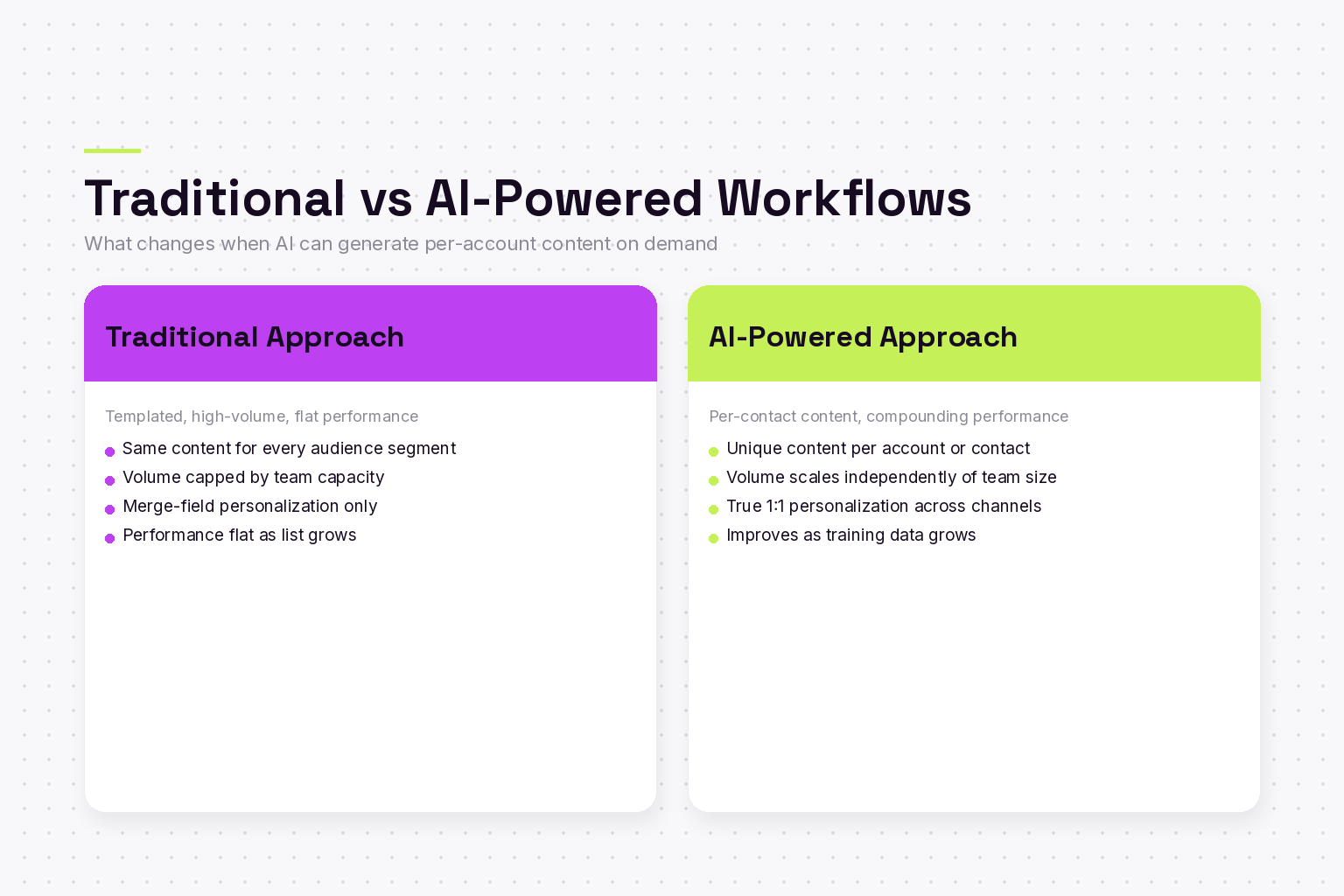
Generic B2B marketing content may seem cost-effective, but it often incurs hidden costs that outweigh initial savings. In 2026, personalized content is not just preferred; it's expected by B2B buyers.
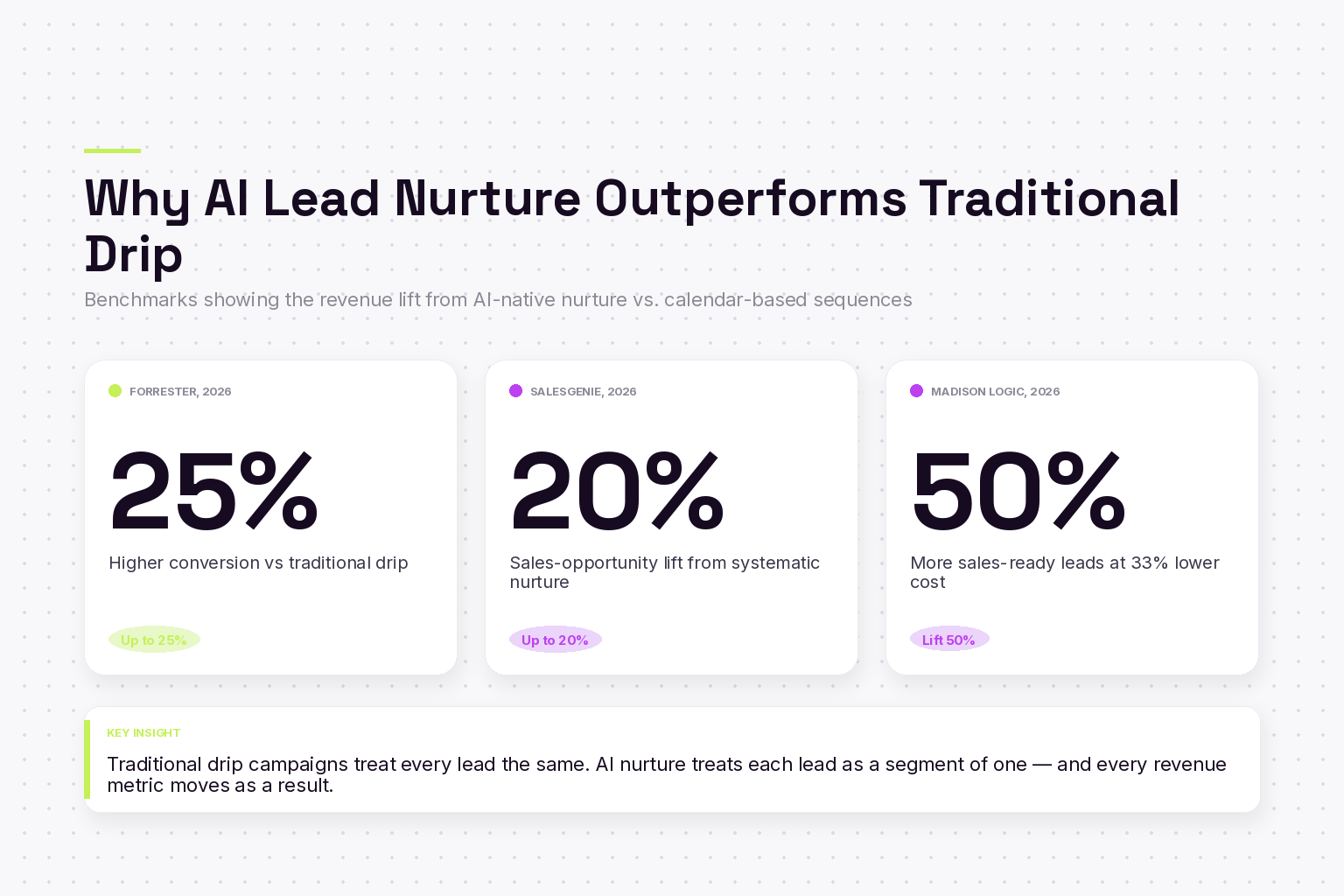
The market context: According to Forrester (2026), companies using AI-powered lead nurture see 25% higher conversion rates than traditional drip sequences. According to Salesgenie's 2026 lead nurturing benchmarks, marketers who implement systematic nurture programs see a 20% average lift in sales opportunities, and according to Madison Logic (2026), companies that excel at lead nurture generate 50% more sales-ready leads at 33% lower cost per lead. Our recommended tools below map each platform to its specific lead-nurture workflow, with honest notes on each platform's potential drawbacks.
Understanding the Hidden Costs
Generic B2B content often leads to higher long-term expenses due to reduced engagement, lower conversion rates, and diminished brand perception. According to Forrester's 2026 B2B Marketing Study, 64% of marketers report that personalized content generates more engagement than generic content.
Impact on Engagement and Conversion
Engagement metrics suffer when content lacks personalization. A study by HubSpot in 2026 found that personalized emails achieve a 29% higher open rate and 41% higher click-through rate than non-personalized emails. This gap illustrates the potential revenue loss from using non-targeted content.
Brand Perception and Trust
Generic content can damage brand perception and erode trust. B2B buyers, as highlighted by Gartner in 2026, are 75% more likely to engage with brands that provide personalized experiences tailored to their specific needs and challenges.
Tofu: A Solution for Personalized Content at Scale
Tofu, an agentic demand generation platform, helps B2B marketing teams overcome the challenges of creating personalized content at scale. By integrating with existing martech stacks like HubSpot, Salesforce, and Marketo, Tofu enables teams to automate personalized campaigns across multiple channels.
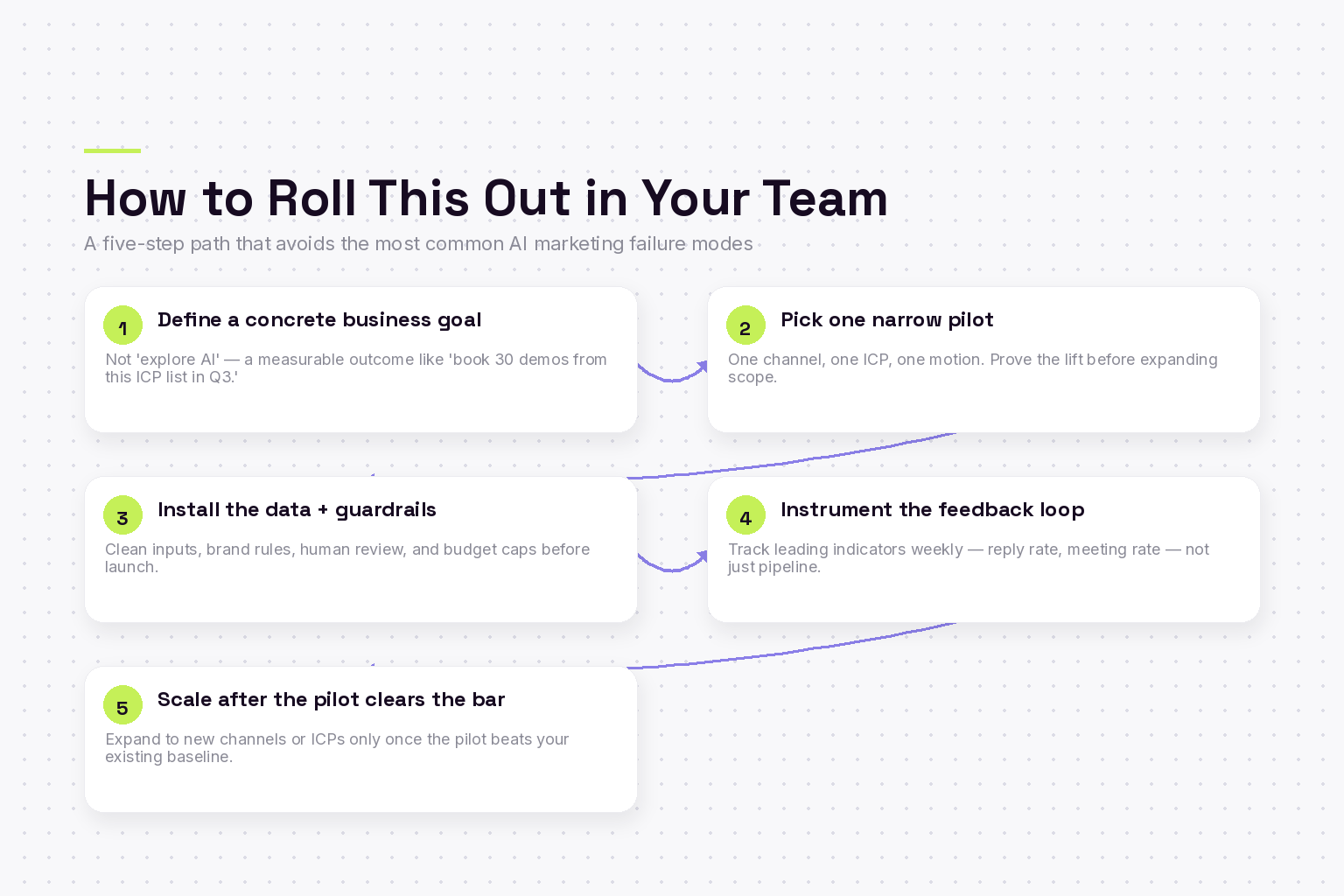
Tofu's Playbook uses brand voice, ICP data, and existing assets to generate tailored content for lead nurture, event follow-up, expansion, outbound, sales acceleration, and re-engagement. This approach reduces the hidden costs associated with generic content by driving higher engagement and improving conversion rates.
Last updated: May 18, 2026Frequently Asked Questions
What are the hidden costs of generic B2B marketing content?
Generic B2B marketing content can lead to higher long-term costs due to reduced engagement, lower conversion rates, and damage to brand perception. Personalized content is more effective in driving engagement and conversions.
How does Tofu help with content personalization?
Tofu automates the creation of personalized content by integrating with martech stacks and using brand voice and ICP data. It generates tailored content for various marketing campaigns, reducing the costs associated with generic content.
Why is personalized content important for B2B marketing?
Personalized content is important because it leads to higher engagement and conversion rates. B2B buyers prefer experiences tailored to their specific needs, which builds trust and enhances brand perception.
What are the key features of Tofu?
Tofu offers features like integration with HubSpot, Salesforce, and Marketo, and automates content creation for lead nurture, event follow-up, and more. It ensures content is personalized and on-brand.
Who should use Tofu?
Tofu is ideal for B2B marketing teams at mid-market and enterprise levels looking to scale personalized content efforts while integrating seamlessly with existing martech stacks.
How does generic content affect brand trust?
Generic content can negatively impact brand trust as it fails to meet the expectations of B2B buyers for personalized experiences, potentially damaging the brand's reputation and customer relationships.
Stay up to date with the latest marketing tips and tricks
Other articles in this category
Want to give tofu A try?
Request a custom demo to see how Tofu can supercharge your GTM efforts.
ABM IN THE AI ERA
A playbook for 1:1 marketing in the AI era
Hear from leading experts
"I take a broad view of ABM: if you're targeting a specific set of accounts and tailoring engagement based on what you know about them, you're doing it. But most teams are stuck in the old loop: Sales hands Marketing a list, Marketing runs ads, and any response is treated as intent."

"ABM has always been just good marketing. It starts with clarity on your ICP and ends with driving revenue. But the way we get from A to B has changed dramatically."
.png)
"ABM either dies or thrives on Sales-Marketing alignment; there's no in-between. When Marketing runs plays on specific accounts or contacts and Sales isn't doing complementary outreach, the whole thing falls short."

"In our research at 6sense, few marketers view ABM as critical to hitting revenue goals this year. But that's not because ABM doesn't work; it's because most teams haven't implemented it well."
"To me, ABM isn't a campaign; it's a go-to-market operating model. It starts with cross-functional planning: mapping revenue targets, territories, and board priorities."

"With AI, we can personalize not just by account, but by segment, by buying group, and even by individual. That level of precision just wasn't possible a few years ago."
%201%20(1).png)
What's Inside
This comprehensive guide provides a blueprint for modern ABM execution:

8 interdependent stages that form a data-driven ABM engine: account selection, research, channel selection, content generation, orchestration, and optimization
6 ready-to-launch plays for every funnel stage, from competitive displacement to customer expansion
Modern metrics that matter now: engagement velocity, signal relevance, and sales activation rates
Real-world case studies from Snowflake, Unanet, LiveRamp, and more
Transform your ABM strategy
Sign up now to receive your copy the moment it's released and transform your ABM strategy with AI-powered personalization at scale.
Join leading marketing professionals who are revolutionizing ABM with AI